
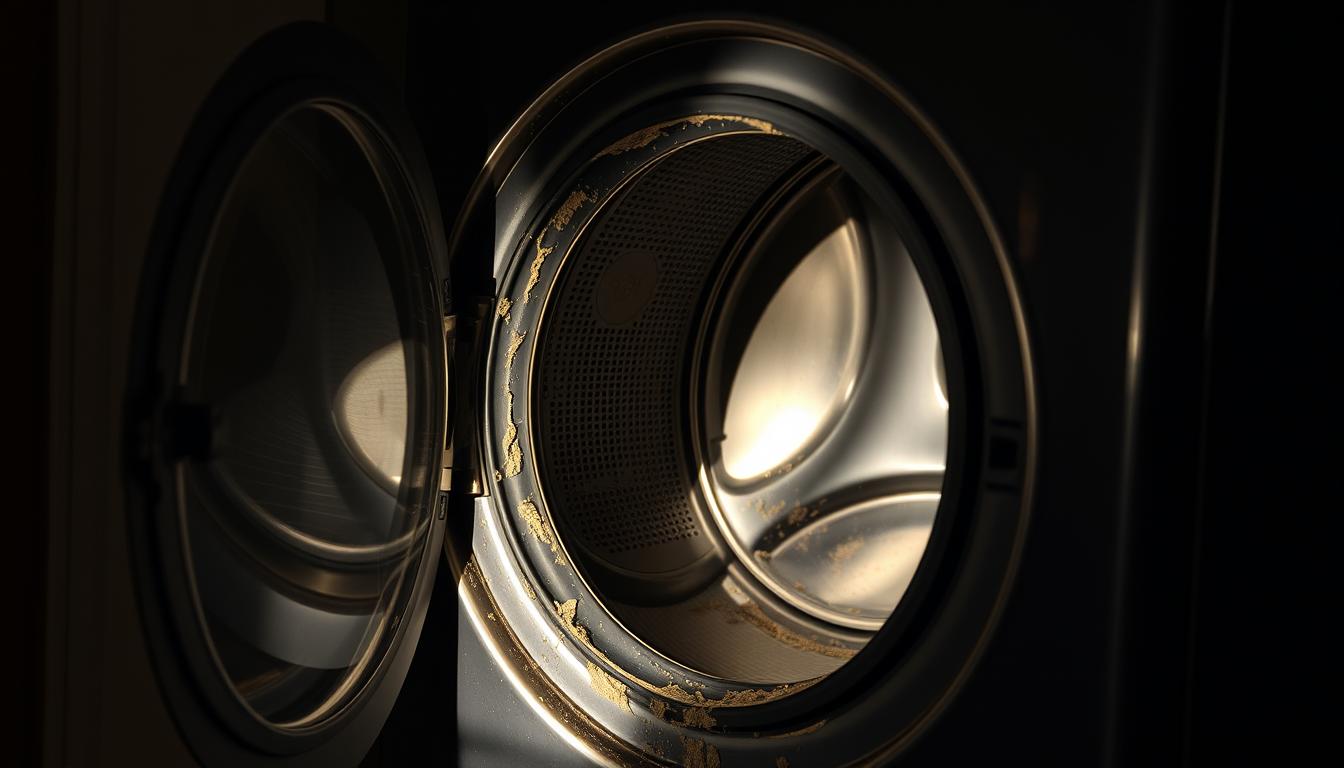
Are you tired of dealing with a smelly front-load washer? The unpleasant odor can be frustrating and embarrassing. The good news is that you’re not alone, and there are simple solutions to this common problem.
A front-load washer can sometimes develop a musty smell due to moisture buildup. This issue can be addressed by regular maintenance and using the right cleaning products, such as a washing machine cleaner designed for front loaders.
Table of Contents
ToggleKey Takeaways
- Understand why your front-load washer smells.
- Learn simple maintenance tips to prevent odor buildup.
- Discover the best cleaning products for your front-load washer.
- Follow a step-by-step guide to eliminate the smell.
- Keep your front-load washer fresh and clean with regular maintenance.
The Science Behind Front-Load Washer Odors
Moisture accumulation is a common problem in front-load washers, leading to the growth of odor-causing bacteria and mold. The design of these washers, while efficient in many ways, creates a humid environment that fosters the development of unwanted microorganisms.
How Moisture Creates the Perfect Environment for Bacteria
Front-load washers use less water than traditional top-load washers, but this also means that they can retain more moisture. When the washer is not properly maintained or when wet clothes are left inside for too long, the moisture can become trapped, creating an ideal breeding ground for bacteria. Regular maintenance is key to preventing this issue.
Common Culprits: Mold, Mildew, and Biofilm
Mold, mildew, and biofilm are the primary causes of unpleasant odors in front-load washers. Mold and mildew thrive in damp environments, and when they grow, they can cause musty smells that transfer to your laundry. Biofilm, a sticky substance formed by bacteria, can also accumulate inside the washer, contributing to the odor problem. Understanding these culprits is the first step in eliminating the washer smell.
By recognizing the role of moisture and the common culprits behind front-load washer odors, you can take the necessary steps to prevent and eliminate these smells, ensuring your washer remains fresh and clean.
Signs Your Front-Load Washer Needs Cleaning
When your front-load washer starts to smell, it’s a signal that maintenance is necessary. A clean washer is essential for fresh laundry and to prevent the buildup of mold and mildew.
Musty Odors in Clean Laundry
If your clean laundry smells musty or moldy, it’s a clear sign that your washer needs cleaning. This odor is often caused by the buildup of detergent residue, fabric softener, and debris inside the washer.
Visible Mold Around the Door Gasket
Visible mold or mildew around the door gasket is another indication that your washer requires cleaning. Regularly inspecting and cleaning this area can prevent mold growth.
Residue in the Detergent Dispenser
A residue buildup in the detergent dispenser can also signal that your washer needs cleaning. This residue can affect the performance of your washer and the freshness of your laundry.
| Signs | Description | Action |
|---|---|---|
| Musty Odors | Clean laundry smells musty or moldy | Run a cleaning cycle |
| Visible Mold | Mold or mildew around the door gasket | Clean the gasket regularly |
| Residue Buildup | Residue in the detergent dispenser | Clean the dispenser |
Regular maintenance can prevent these issues and keep your front-load washer fresh and functional. By being aware of these signs, you can take prompt action to clean your washer and ensure it continues to perform optimally.
Why Front-Load Washers Are More Prone to Odor Problems
The inherent design of front-load washers creates an environment that is conducive to the growth of odor-causing bacteria and mold. Unlike top-loading washers, front-load washers use a different washing mechanism that can lead to moisture retention, a key factor in the development of unpleasant odors.
Design Differences Between Front and Top Loaders
One of the primary reasons front-load washers are more prone to odor issues is their design. Front-load washers use a horizontal axis washing mechanism, which can lead to a buildup of moisture. This moisture, combined with detergent residue and fabric lint, creates an ideal environment for mold and mildew to thrive. In contrast, top-loading washers use a vertical axis, which allows for more straightforward drainage and less moisture retention.
Water Usage and Drainage Factors
Front-load washers generally use less water than top-loaders, which can be beneficial for water conservation but also means that there is less water to rinse away detergent residue. This residue can contribute to odor-causing buildup. Moreover, if the drainage system is not functioning correctly, it can lead to standing water, further exacerbating odor problems.
The Humidity Trap in the Door Seal
The door seal in front-load washers is another area prone to moisture accumulation. The rubber gasket around the door can trap water, creating a humid microenvironment that fosters the growth of mold and mildew. Regular cleaning and drying of this area are crucial to preventing odor issues.
Regular maintenance is key to mitigating these issues. By understanding the design and functional differences between front-load and top-load washers, users can take proactive steps to minimize the risk of odor problems.
“Regular cleaning and maintenance can significantly reduce the likelihood of odor issues in front-load washers,” says a leading appliance expert. This emphasizes the importance of user actions in preventing and resolving odor problems.
Daily Habits That Prevent Washer Odors
A few straightforward daily habits can keep your front-load washer smelling fresh. By incorporating these simple practices into your routine, you can prevent the buildup of odors and maintain a cleaner, healthier washer.
Leave the Door Ajar After Each Use
One of the simplest ways to prevent washer odors is to leave the door ajar after each use. This allows the interior to dry out, reducing the moisture that mold and mildew thrive on. It’s a small habit that can make a significant difference in preventing odors.
Wipe Down the Gasket and Door
Regularly wiping down the gasket and door with a dry cloth can remove moisture and debris, further preventing the growth of mold and mildew. This simple maintenance task can be done during your regular laundry routine.

Remove Wet Clothes Promptly
Removing wet clothes from the washer promptly after the cycle ends can prevent moisture buildup. This habit not only helps in reducing washer odors but also prevents the growth of bacteria and mildew on your clothes.
Run a Monthly Maintenance Wash
Running a maintenance wash monthly can deep clean your washer and remove any built-up debris. You can use a commercial washer cleaner or a natural alternative like hot water and vinegar. This habit ensures your washer remains fresh and clean throughout the year.
| Daily Habit | Benefit |
|---|---|
| Leave the door ajar | Reduces moisture, preventing mold and mildew |
| Wipe down gasket and door | Removes debris and moisture, reducing mold and mildew |
| Remove wet clothes promptly | Prevents moisture buildup and bacterial growth |
| Run a monthly maintenance wash | Deep cleans the washer, removing debris and odors |
By adopting these daily habits, you can significantly reduce the occurrence of washer odors and keep your front-load washer fresh and clean. Regular maintenance is key to a healthier and more efficient laundry experience.
Best Washing Machine Cleaner for Front Loader Options
When it comes to maintaining a fresh and clean front-load washer, choosing the right washing machine cleaner is crucial. Front-load washers are prone to odor-causing mold and mildew due to their design, making regular cleaning essential.
Commercial Cleaning Products
Commercial cleaning products are a popular choice for cleaning front-load washers. They are specifically designed to target and eliminate odor-causing residue and debris.
Liquid vs. Tablet Cleaners
Liquid cleaners are effective at dissolving grease and grime, while tablet cleaners offer convenience and ease of use. Both types have their advantages, and the choice between them depends on personal preference.
Top-Rated Brands and Their Benefits
Some top-rated brands include:
- Affresh: Known for its powerful cleaning formula that leaves the washer smelling fresh.
- OxiClean: Effective at removing tough residue and odors.
- Tide Washing Machine Cleaner: Designed to work with both front-load and top-load washers.
Natural Alternatives
For those who prefer a more eco-friendly approach, natural alternatives can be just as effective.
Vinegar and Baking Soda Solutions
A mixture of vinegar and baking soda can help neutralize odors and clean the washer. Run a hot water cycle with 1 cup of vinegar and 1 cup of baking soda to deep clean your washer.
Essential Oil Additions for Freshness
Adding a few drops of your favorite essential oil (like lavender or lemon) to your wash cycle can leave your washer smelling fresh and clean.
Step-by-Step Deep Cleaning Process
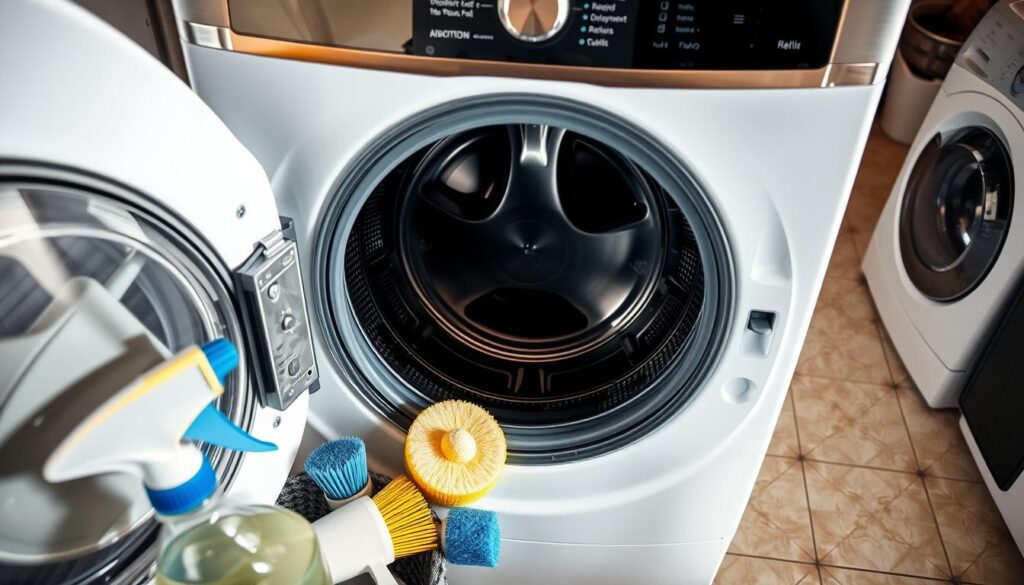
To keep your front-load washer fresh and functional, a step-by-step deep cleaning process is necessary. This involves several key areas that are prone to mold, mildew, and debris buildup.
Cleaning the Door Gasket
The door gasket is a common place for mold and mildew to accumulate. To clean it, remove any visible debris and then apply a mixture of equal parts water and white vinegar to the affected area. Let it sit for a few minutes before wiping it clean with a damp cloth.
- Pull back the gasket to remove any trapped debris.
- Use a soft-bristled brush to gently scrub away any mold or mildew.
Sanitizing the Drum
Sanitizing the drum is crucial for removing any lingering odors and bacteria. You can run a hot water cycle with a washing machine cleaner or a cup of white vinegar. This helps in sanitizing the interior and removing any residue.
- Select the hottest water setting.
- Add the cleaning agent or vinegar.
- Run the cycle as you normally would.
Clearing the Detergent Dispenser
The detergent dispenser can also accumulate residue and debris. Remove the dispenser and soak it in warm soapy water. Use a soft brush to clean any tough buildup.
Addressing the Drain Pump Filter
The drain pump filter can become clogged with debris, affecting the washer’s performance. Check your user manual to locate the filter, then clean it according to the manufacturer’s instructions.
Running a Cleaning Cycle
Finally, running a cleaning cycle can help maintain your washer’s cleanliness. Many modern front-load washers have a dedicated cleaning cycle. If yours doesn’t, a hot water cycle with a washing machine cleaner or vinegar will suffice.
- Check your user manual for specific instructions on running a cleaning cycle.
- Regularly running a cleaning cycle can prevent future odor issues.
By following these steps, you can ensure your front-load washer remains clean, fresh, and functional. Regular deep cleaning is a simple yet effective way to maintain your appliance’s performance and longevity.
How Detergent Choices Affect Washer Odors
Making the right detergent choice is key to maintaining a fresh and clean front-load washer. The detergent you use can significantly impact the odor inside your washer.
High-Efficiency vs. Regular Detergents
Front-load washers require high-efficiency (HE) detergents that are designed to produce fewer suds. Using regular detergents can lead to excessive sudsing, which may cause residue buildup and odors.
The Problem with Fabric Softeners
Fabric softeners, especially when used excessively, can leave a residue on the washer’s parts, contributing to odors. Consider using them sparingly or opting for HE-compatible fabric softeners.
Measuring Detergent Correctly
Using too much detergent can lead to residue accumulation, fostering an environment for mold and mildew. Always measure detergent according to the manufacturer’s instructions.
Powder vs. Liquid vs. Pods
The form of detergent you use can also impact washer odors. Liquid detergents are less likely to leave residue compared to powders. Detergent pods are convenient but ensure you’re using the correct number for your load size.
By being mindful of your detergent choices, you can significantly reduce the likelihood of washer odors. Experiment with different types and amounts to find what works best for your front-load washer.
How Often Should You Clean Your Front-Load Washer?
To keep your front-load washer in top condition, it’s essential to establish a regular cleaning schedule. The frequency of cleaning depends on various factors, including how often you use your washer and the size of your household.
Maintenance Schedule for Different Household Sizes
For a household of two, cleaning every 2-3 months is recommended. Larger households may need to clean their washer more frequently, ideally every 1-2 months, due to increased usage.
Signs It's Time for an Unscheduled Clean
If you notice a persistent musty smell or visible mold, it’s a sign that your washer needs immediate attention, regardless of the last cleaning date.
Seasonal Considerations for Cleaning Frequency
During humid summer months, more frequent cleaning may be necessary to combat mold and mildew growth. In contrast, during drier months, the frequency can be reduced.
By adjusting your cleaning schedule according to household size and seasonal changes, you can keep your front-load washer fresh and functional.
Common Mistakes That Make Washer Odors Worse
It’s easy to overlook the simple mistakes that lead to persistent washer odors. Being aware of these common errors can help you maintain a fresher and healthier front-load washer.
Using Too Much Detergent
Overusing detergent is a common mistake that can lead to residue buildup in your washer, contributing to unpleasant odors. Always measure detergent according to the manufacturer’s instructions to avoid this issue.
Selecting Inappropriate Wash Cycles
Choosing the wrong wash cycle can affect how well your washer drains and rinses, potentially leaving behind detergent residue and fabric softener buildup that can cause odors. Opt for cycles that are designed for your washer type and the soil level of your laundry.
Ignoring Manufacturer Guidelines
Each front-load washer comes with specific maintenance recommendations from the manufacturer. Ignoring these guidelines can lead to maintenance oversights that contribute to odors. Regularly check your user manual for recommended maintenance tasks.
Keeping the Door Closed When Not in Use
Not leaving the door ajar after use can create a humid environment that fosters mold and mildew growth. Make it a habit to leave the door slightly open to allow for airflow and drying.
| Common Mistake | Consequence | Prevention |
|---|---|---|
| Using too much detergent | Residue buildup, odors | Measure detergent correctly |
| Wrong wash cycle | Poor drainage, residue | Choose appropriate cycle |
| Ignoring guidelines | Maintenance oversights | Follow manufacturer guidelines |
| Keeping door closed | Mold and mildew growth | Leave door ajar after use |
Conclusion: Keeping Your Front-Load Washer Fresh and Functional
Maintaining a front-load washer requires regular attention to keep it fresh and functional. By understanding the causes of odors and implementing simple habits, you can prevent the buildup of mold, mildew, and biofilm.
Daily habits like leaving the door ajar after each use, wiping down the gasket, and removing wet clothes promptly can significantly reduce the likelihood of washer odors. Regular maintenance, including running a monthly cleaning cycle and checking the detergent dispenser, is also crucial for front load washer maintenance.
By following the tips outlined in this article, you can ensure your washer remains fresh and clean, providing you with cleaner, fresher laundry. Prioritizing washer freshness not only improves the cleanliness of your clothes but also extends the lifespan of your appliance.