Disclosure: This post has affiliate links, so I may earn a small commission (at no extra cost to you) if you shop through them. Thanks for your support!
Dog Shedding Tools That Actually Work for Heavy Coat Management in 2025
Dog hair gets everywhere. It sticks to furniture, floats in the air, and covers your clothes. Regular brushing helps, but standard brushes often miss the loose undercoat that causes most shedding problems.
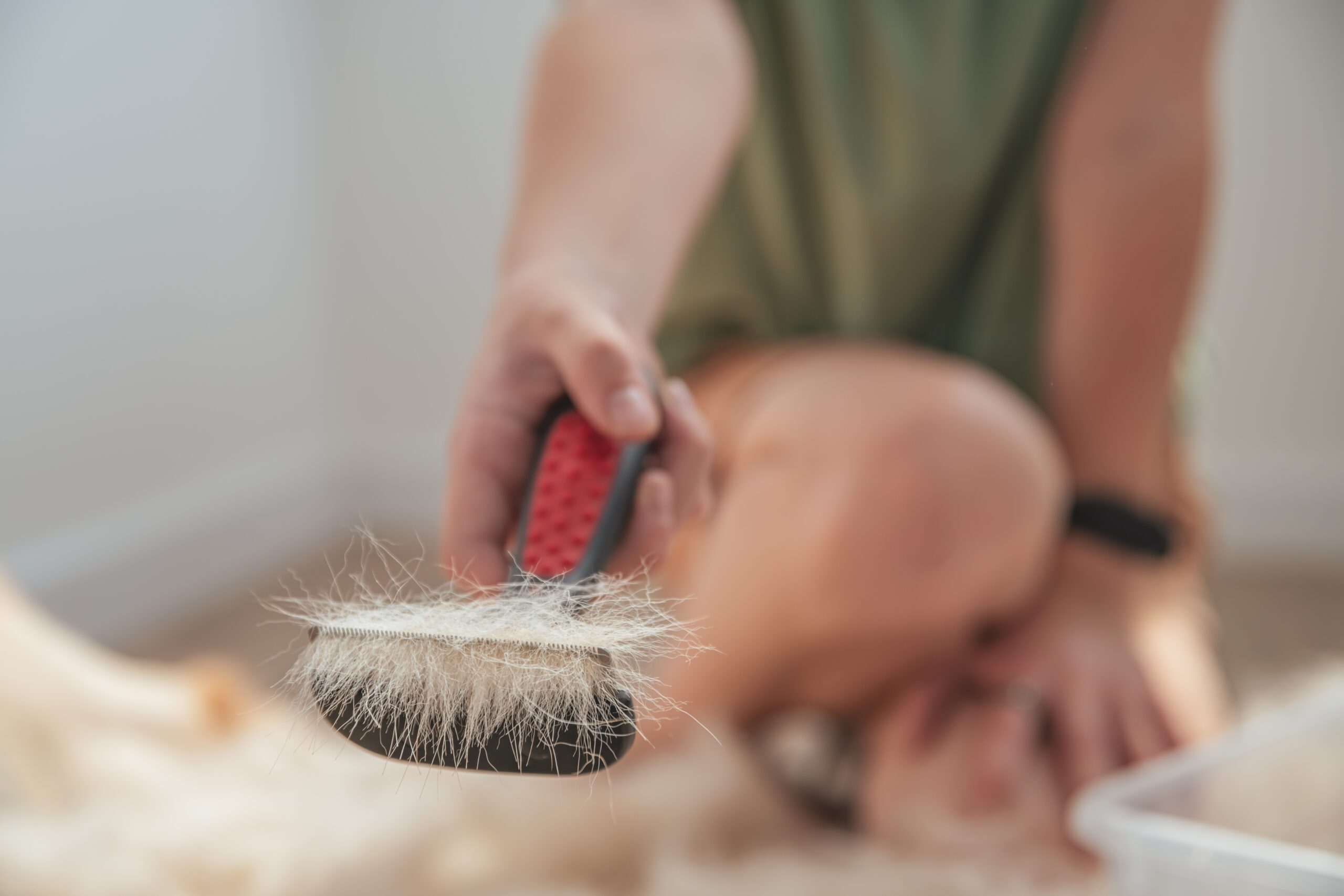
Dog shedding tools are specially designed to remove loose fur before it falls around your home. These tools work differently than regular brushes by reaching deep into your dog’s coat to grab the undercoat hairs that are ready to shed. Most shedding tools have fine metal teeth or blades that catch loose fur without cutting healthy hair.
The most important thing to consider when buying a shedding tool is your dog’s coat type. Dogs with double coats like Golden Retrievers need different tools than dogs with single coats like Poodles. The size of the tool should also match your dog’s size. A tool that’s too small will make grooming take forever, while one that’s too large might be hard to control on smaller dogs.
Finding the right shedding tool can cut your cleanup time in half and keep your dog more comfortable during shedding season.
Best Dog Shedding Tools
Below is our full list of the best dog shedding tools. These products will help you manage your dog’s loose fur and keep your home cleaner.
oneisall Dog Grooming Vacuum

This vacuum grooming kit offers solid value for heavy shedders with its quiet operation and effective hair collection system.
Pros
- Captures 99% of loose hair directly into the vacuum container while brushing
- Operates quietly at 60db to keep anxious pets calm during grooming
- Comes with multiple attachments for different coat types and cleaning tasks
Cons
- Some brush attachments may break or lose connection over time
- Requires regular filter maintenance to keep suction power strong
- May not work as well on dogs who are sensitive to any vacuum noise
The oneisall grooming vacuum tackles the biggest problem with regular brushing tools. Instead of hair flying everywhere, this system sucks up loose fur as you brush. The 1.5L dust container holds more hair than smaller models.
Your thick-coated dogs will benefit from the specialized deshedding brush. The metal points reach through topcoat to remove undercoat hair effectively. Three suction levels let you adjust power based on your dog’s comfort level.
Multiple attachments expand this tool’s usefulness beyond just brushing. You can clean hair from furniture, carpets, and your clothes with the included accessories. The simple one-button design makes switching between tasks easy during grooming sessions.
FURminator Deshedding Tool

This tool is worth buying if you have a large, long-haired dog and want to significantly reduce the amount of fur around your home.
Pros
- Reaches through the topcoat to remove loose undercoat hair without damaging your dog’s fur
- Features an ergonomic handle and push-button hair release for comfortable grooming sessions
- Can reduce shedding by up to 90 percent when used regularly
Cons
- Only works for large dogs over 50 pounds with long hair coats
- Higher price point compared to basic brushes and combs
- Requires weekly use to maintain effectiveness
The FURminator Deshedding Tool targets the undercoat where most loose hair comes from. Its stainless steel edge reaches beneath the top layer of fur to grab hair that would otherwise end up on your furniture and clothes.
The FURejector button makes cleanup simple. You can push it to release collected hair instead of pulling it off by hand. This feature saves time during grooming sessions.
Your dog’s skin stays protected because the tool removes loose hair without cutting or scraping. The design prevents damage to the healthy topcoat while getting rid of the dead undercoat hair that causes most shedding problems.
Regular use helps your dog’s coat stay healthier. The tool stimulates natural oil production, which keeps skin moisturized and makes fur shinier over time.
Swihauk Self Cleaning Slicker Brush

This brush offers good value for pet owners dealing with moderate shedding thanks to its self-cleaning button and gentle plastic-tipped bristles.
Pros
- The push-button cleaning feature releases collected fur in one clump for easy disposal
- Plastic-tipped wire bristles provide effective grooming without scratching your pet’s skin
- Works well on both dogs and cats with short to medium-length coats
Cons
- Struggles with longer or thicker fur types like standard poodles
- May not be powerful enough for heavy shedders like huskies
- The lightweight design might feel less sturdy than premium brushes
The self-cleaning mechanism sets this brush apart from basic slicker brushes. You simply press the button after brushing to push the bristles forward and release all the collected fur at once. This feature saves time and keeps your hands cleaner during grooming sessions.
Your pet will likely find this brush comfortable to use. The wire bristles have protective plastic caps that prevent scratching while still grabbing loose fur effectively. The ergonomic handle makes it easy to control pressure during brushing.
However, this tool works best on pets with shorter coats. Dogs with thick double coats or long-haired breeds may need a more powerful deshedding tool. The brush performs well for regular maintenance grooming but might not handle heavy shedding seasons as effectively as specialized tools.
The compact size makes it convenient for storage and travel. At under 8 ounces, it won’t tire your hand during longer grooming sessions with cooperative pets.
Maxpower Planet Pet Grooming Rake

This dual-sided grooming rake excels at removing loose fur and untangling mats from long-haired pets, making it a solid choice for owners of double-coated breeds.
Pros
- Two different tooth counts handle both stubborn mats and general deshedding tasks
- Comfortable rubber grip prevents slipping during grooming sessions
- Works effectively on thick coats and dense undercoats
Cons
- Not suitable for short-haired cats or dogs with thin coats
- Requires gentle technique to avoid irritating your pet’s skin
- May remove more fur than expected, creating cleanup challenges
The Maxpower Planet rake stands out with its smart dual-sided design. One side features 9 teeth for working through tough tangles and mats. The other side has 17 teeth that thin out your pet’s coat and remove loose undercoat fur.
Your pet will benefit from the comfortable grooming experience this tool provides. The rubber handle gives you a secure grip while you work through your dog’s or cat’s coat. The lightweight design reduces hand fatigue during longer grooming sessions.
This rake works best on specific coat types. Dogs with double coats like German Shepherds and cats with long, thick fur see the best results. You’ll need to use gentle strokes and let the tool do the work rather than applying heavy pressure.
The deshedding results can be dramatic, especially during shedding season. Many pet owners report removing large amounts of loose fur in just one session. This helps reduce the amount of hair floating around your home.
BOTH WINNERS Dual-Sided Shedding Blade

This flexible shedding tool works well for removing loose fur from both cats and dogs, though you need to use gentle pressure to avoid scratching your pet’s skin.
Pros
- Works on both long and short-haired pets with different blade sides
- Handles can be used together for small areas or apart for larger sections
- Removes large amounts of loose fur quickly without clogging like brushes
Cons
- Blade edges are sharp and require careful handling
- Too flexible when folded for one-handed use
- May scratch sensitive pets if you apply too much pressure
The dual-sided design gives you options for different coat types. One side has coarse teeth for longer fur while the other has fine teeth for shorter coats.
You can adjust how you hold the handles based on the area you’re grooming. Pull them apart to cover more space at once or keep them together for detailed work around smaller spots.
This tool removes fur differently than regular brushes. Instead of collecting hair in bristles, the loose fur falls away as you work. This means less time cleaning the tool between uses.
The blade flexibility helps it follow your pet’s body shape. However, this same flexibility makes it harder to control when you fold it for one-handed grooming.
Many users report success with cats as well as dogs. The tool works on larger animals too, drawing from traditional livestock grooming methods.
Dipoo Self Cleaning Shedding Brush

This brush offers excellent value for pet owners dealing with heavy shedding thanks to its self-cleaning feature and gentle plastic bristles.
Pros
- Self-cleaning button makes removing collected fur quick and mess-free
- Rounded plastic bristles protect your pet’s skin from scratching during grooming
- Works well on both long and short-haired pets of different sizes
Cons
- Plastic bristles may not penetrate thick coats as effectively as metal ones
- Handle design might feel too lightweight for some users during extended grooming sessions
- Button mechanism could wear out over time with frequent use
The Dipoo brush stands out because of its push-button cleaning system. You simply press the button to retract the bristles and release all the trapped fur. This feature saves time and keeps your hands cleaner during grooming sessions.
Pet comfort is a key strength of this tool. The rounded plastic bristle tips glide through your pet’s coat without causing irritation. Many pets that normally dislike brushing seem to tolerate this brush better than traditional metal-bristled options.
This brush handles different coat types reasonably well. Short-haired dogs benefit from the gentle bristles that catch loose fur before it falls around your home. Long-haired pets also see good results, though very thick or matted coats might need a more aggressive tool first.
The lightweight design makes grooming less tiring for your hand and wrist. The rubber handle provides a comfortable grip during use. However, some people prefer heavier brushes that feel more substantial during grooming sessions.
SleekEZ Dog Brush

This brush should be your top choice if you want a simple tool that works on all coat types and removes loose fur without causing discomfort to your pet.
Pros
- Works effectively on both short and long-haired dogs without pulling or irritating skin
- Doubles as a furniture cleaner to remove pet hair from couches, carpets, and car seats
- Simple design with no moving parts makes it easy to use and clean
Cons
- Basic wood and metal construction may not appeal to those wanting modern features
- Single brush size might not be ideal for very small or very large dogs
- No protective cover included for safe storage
The SleekEZ stands out because of its patented design that grabs hair at the tips instead of pulling from the roots. This approach makes grooming comfortable for your dog while still removing large amounts of loose fur. The stainless steel bristles work through your pet’s coat smoothly.
You can use this brush on more than just your dog. It works well for removing pet hair from furniture, car seats, and blankets. The oval shape fits comfortably in your hand during longer grooming sessions.
The brush works by catching loose undercoat and surface hair without cutting or damaging healthy fur. Your dog will likely enjoy the brushing experience since the tool doesn’t tug or scratch their skin. Many pet owners find their animals actually seek out grooming time with this brush.
Cleaning the SleekEZ takes just seconds since hair doesn’t get trapped in the bristles. You simply wipe the collected fur away with your hand or a cloth. This makes it practical for quick touch-ups between full grooming sessions.
Buying Guide
Consider Your Dog’s Coat Type
Different dogs need different tools. Short-haired dogs work well with rubber brushes or grooming gloves. Long-haired breeds need pin brushes and slicker brushes.
Double-coated dogs require undercoat rakes. Single-coated dogs need gentler tools.
Check the Tool Quality
Look for tools with strong handles that won’t break. Metal pins should be smooth and rounded at the tips. Sharp edges can hurt your dog’s skin.
Good tools cost more but last longer. Cheap tools often break quickly.
Size Matters
Pick tools that fit your dog’s size. Large dogs need bigger brushes. Small dogs work better with smaller tools.
Your hand size matters too. The tool should feel comfortable when you hold it.
Think About Your Dog’s Skin
Dogs with sensitive skin need softer tools. Look for tools with flexible pins or soft bristles.
Avoid tools that are too harsh. They can cause scratches or irritation.
Feature Comparison
| Feature | Benefit | Best For |
|---|---|---|
| Self-cleaning button | Easy hair removal | All coat types |
| Ergonomic handle | Comfortable grip | Long grooming sessions |
| Adjustable pins | Custom pressure | Sensitive dogs |
| Anti-slip grip | Better control | Wet conditions |
Test Before Buying
If possible, hold the tool before you buy it. Check if it feels right in your hand.
Read reviews from other dog owners. They can tell you how well tools work.
Frequently Asked Questions
Dog owners often wonder which tools work best for their pet’s coat type and how to use them properly. These questions cover the most effective grooming methods, tool comparisons, and care tips for different dog breeds.
What types of grooming tools are most effective for dogs with long hair?
Slicker brushes work best for long-haired dogs because they remove tangles and mats. You should use them daily to prevent knots from forming.
Pin brushes help smooth the coat after using a slicker brush. They distribute natural oils through long fur.
Undercoat rakes remove loose fur from the dense underlayer. Golden Retrievers and German Shepherds need these tools most.
Metal combs catch any remaining tangles that brushes miss. Use them as a final step in your grooming routine.
How does a FURminator deShedding tool work compared to other shedding solutions?
The FURminator uses a metal edge with small teeth to grab loose undercoat fur. It reaches through the top coat to remove hair before it falls out naturally.
Regular brushes only remove surface hair and tangles. The FURminator goes deeper to pull out the soft underlayer that causes most shedding.
Other deshedding tools like undercoat rakes work similarly but have different tooth spacing. The FURminator’s teeth are closer together for finer hair removal.
You should only use the FURminator once or twice per week. Daily use can damage your dog’s coat.
What are the top-rated deshedding brushes for short-haired dogs?
Rubber curry brushes work well on short coats like Beagles and Boxers. They massage the skin while removing loose hair.
Bristle brushes smooth short fur and distribute natural oils. They work best after using a rubber brush first.
Deshedding gloves let you pet your dog while collecting loose fur. Many short-haired dogs prefer gloves over traditional brushes.
The FURminator also makes versions for short hair with shorter teeth. These remove undercoat without damaging the short top layer.
Are there techniques that professional groomers use to reduce excessive shedding in dogs?
Professional groomers use high-velocity dryers to blow out loose fur before brushing. This removes more hair than brushing alone.
They brush in the direction opposite to hair growth first. Then they brush with the grain to smooth the coat.
Groomers use different tools in sequence rather than just one brush. They start with undercoat rakes, then use slicker brushes, and finish with bristle brushes.
Many professionals recommend deshedding treatments every 4-6 weeks. These deep-cleaning sessions reduce shedding for several weeks.
What dietary considerations can help manage a dog’s shedding?
Omega-3 fatty acids strengthen hair follicles and reduce excessive shedding. Fish oil supplements or salmon-based foods provide these nutrients.
High-quality protein helps maintain healthy coat growth. Look for foods with chicken, beef, or fish as the first ingredient.
Proper hydration keeps skin and fur healthy. Make sure your dog always has access to fresh water.
Some dogs shed more due to food allergies. Common allergens include corn, wheat, and certain proteins.
How often should deshedding tools be used on dogs to maintain their coat health?
Double-coated breeds need deshedding tools 2-3 times per week year-round. During shedding seasons, you may need daily sessions.
Single-coated dogs only need deshedding once per week. Too much brushing can irritate their skin.
Short-haired breeds require less frequent deshedding than long-haired dogs. Once or twice weekly works for most short coats.
You should increase brushing frequency during spring and fall when dogs shed their seasonal coats. This prevents excessive hair around your home.
Disclosure: This post has affiliate links, so I may earn a small commission (at no extra cost to you) if you shop through them. Thanks for your support!