
Disclosure: This post has affiliate links, so I may earn a small commission (at no extra cost to you) if you shop through them. Thanks for your support!
Exploring film photography is honestly a blast. There are so many 35mm film cameras to pick from, and the right one can totally change how much you enjoy shooting.
Some cameras go for that vintage charm, while others just want to make your life easier or give you more bang for your buck. It’s a mix of old-school classics and newer, friendly options.
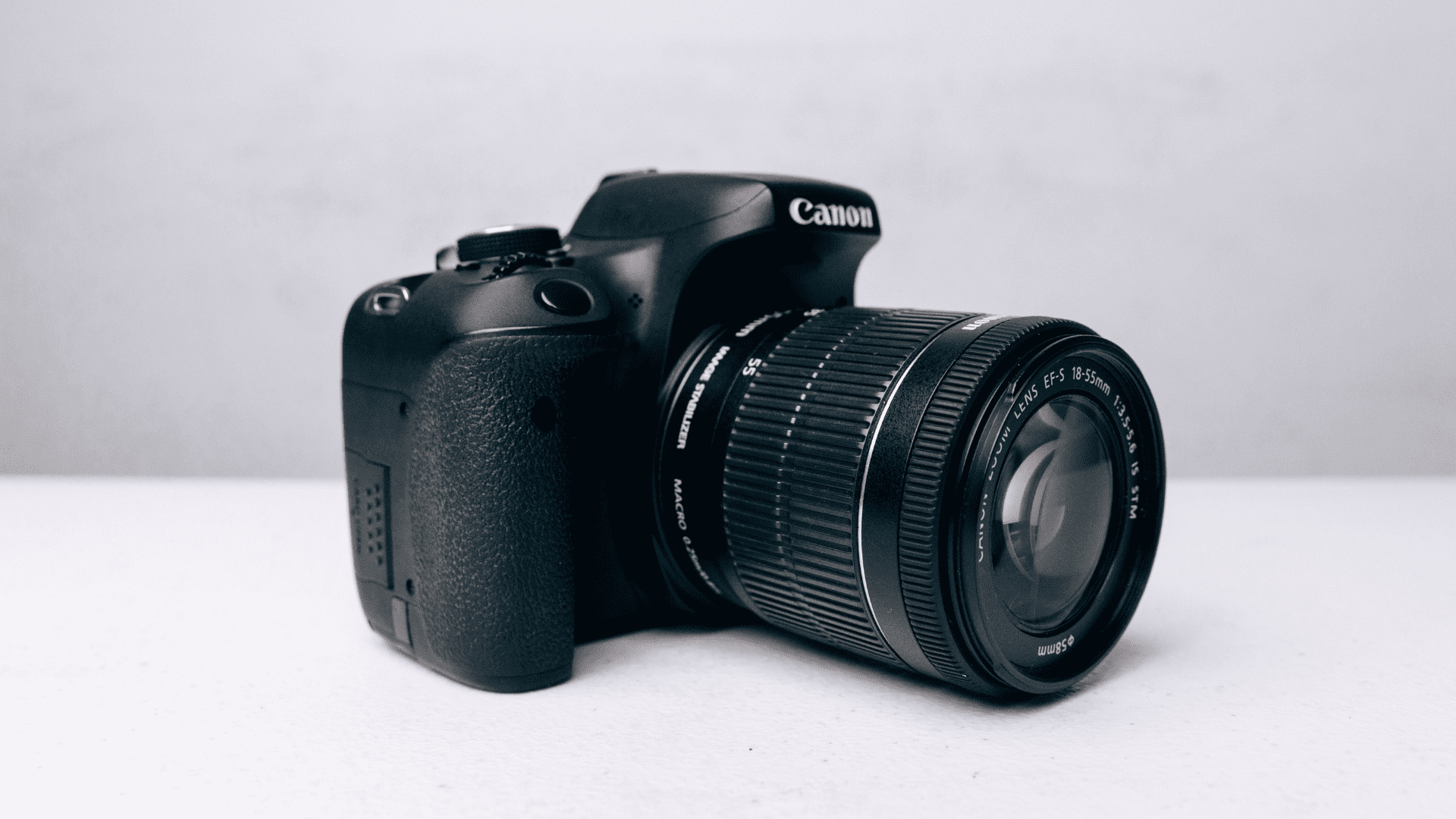
We took a close look at features, style, and how these cameras actually feel to use. Whether you’re totally new or already know your way around film, it’s worth figuring out what sets each camera apart before you commit.
Key Takeaways
- There’s a 35mm film camera for just about every skill level and need.
- Things like lens compatibility, design, and price matter a lot.
- The right camera can make film photography way more enjoyable.
Pentax 17 35mm Film Camera – Our Top Choice
Important Features
| Feature | Details |
|---|---|
| Lens Type | Fixed |
| Film Format | 35mm (half-frame) |
| Camera Type | Rangefinder |
| Shots per Roll | Up to 72 on a 36-exposure roll |
This camera basically doubles the number of shots you get per roll compared to regular 35mm cameras. The half-frame format means you can shoot more and spend less on film.
It’s got a stripped-down design—hardly any extra settings—so you can just focus on snapping pictures. The lens is surprisingly sharp, and the camera is so small you’ll want to bring it everywhere.
Strengths & Weaknesses
Strengths
- Slides easily into your pocket or bag
- Delivers crisp images with a simple fixed lens
- Super easy controls—no fuss
Weaknesses
- Costs more than a lot of other options
Honestly, we love how the Pentax 17 just gets out of the way and lets you shoot. The photos come out better than you’d expect for something this tiny. It’s not cheap, but if you want a compact film camera that just works, it’s hard to beat.
Vintage Canon AE-1 35mm SLR Camera – Our Second Choice
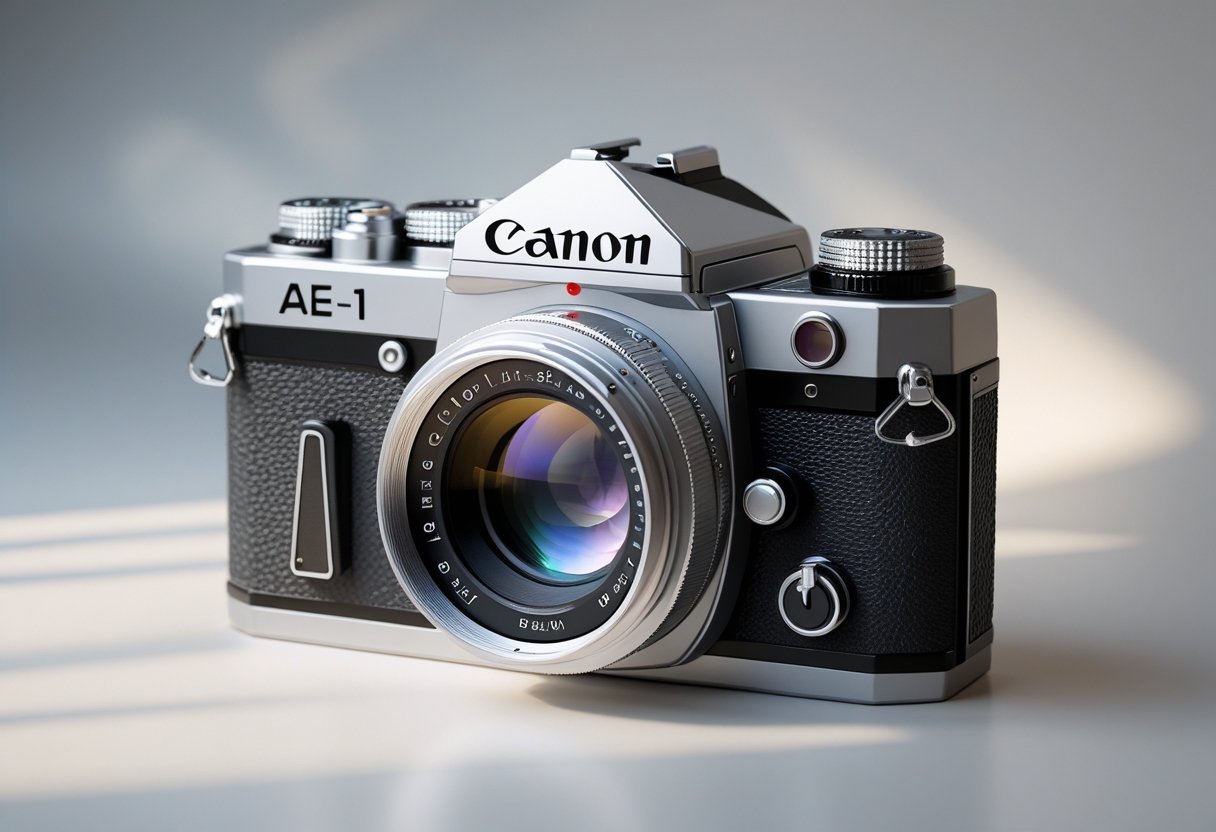
Standout Features
| Feature | Details |
|---|---|
| Lens Mount | Canon FD series (swappable lenses) |
| Film Type | 35mm |
| Camera Style | Single Lens Reflex (SLR) |
| Viewfinder | Built-in fixed eye-level pentaprism |
| Exposure Control | Electronic, with aperture priority option |
| Shutter | Electronically-timed cloth focal plane |
The Canon AE-1 stands out because you can swap out lenses, thanks to the FD mount. That means you can experiment with all kinds of photography styles.
Its light meter and exposure controls are pretty forgiving, especially if you’re just figuring things out. You don’t have to be a pro to get good results.
Upsides & Downsides
Advantages
- Feels sturdy and reliable
- Has that classic look everyone loves
- Lightweight enough to carry around all day
Drawbacks
- Shutter speed tops out lower than some folks might want
- Film loading can be a little confusing at first
The Canon AE-1 is a go-to for a reason. It feels great in your hands and strikes a nice balance between simple controls and flexibility. Sure, the max shutter speed isn’t blazing fast, but for most people, it’s more than enough.
Black Nikon FE 35mm SLR Film Camera – Top Choice for Classic Style
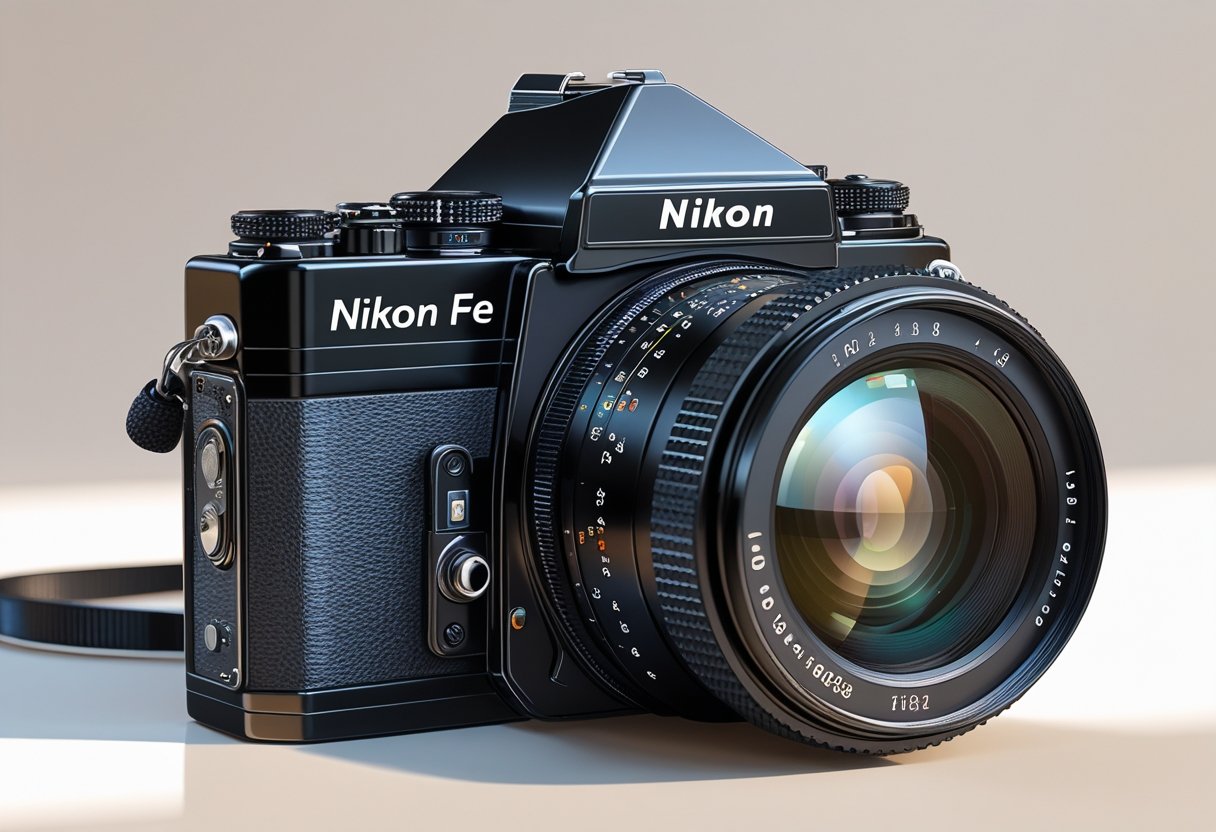
Main Features
The Black Nikon FE nails that classic SLR vibe with a tough, all-metal body. You get the Nikon F-mount, which opens up a huge world of lenses—including favorites from the F2 and FM lines.
| Feature | Details |
|---|---|
| Lens System | Nikon F-mount |
| Film Type | 35mm |
| Camera Style | SLR |
| Build Material | Metal Body |
| Exposure Modes | Manual & Auto |
| Viewfinder | Large, Clear |
The FE is compact but feels solid. Controls are right where you want them, and the retro look honestly makes it stand out from the crowd.
It’s friendly for both newbies and people who’ve shot film before. You won’t feel lost, but you also won’t outgrow it fast.
Advantages and Drawbacks
Advantages:
- Lets you pick manual or auto exposure, whatever suits your mood
- Big, bright viewfinder—makes composing shots way easier
- Supports Aperture Priority for easy depth-of-field control
- Looks and feels like it’ll last forever
Drawbacks:
- You’ll get more from it if you know some manual settings
- Some lenses only play nice in certain modes—worth double-checking
If you’re into retro gear, the Nikon FE has a lot going for it—function, style, and a bit of nostalgia. The exposure options give you room to grow, which is always nice.
KODAK EKTAR H35 Half Frame Film Camera – Best Low-Cost Choice
Main Features
| Feature | Details |
|---|---|
| Lens | 22mm, f/9.5 optical |
| Film Format | 35mm (half-frame) |
| Camera Type | Point-and-shoot |
| Image Capacity | Up to 72 shots per roll |
| Build | Compact, lightweight |
The H35 lets you squeeze twice as many photos out of a roll, which is awesome if you’re trying to save some cash. It’s compact and tough, so you can toss it in your bag without stressing.
Advantages & Drawbacks
Advantages:
- Retro Kodak style
- Feels solid for such a small camera
- Snaps sharp, film-y photos
Drawbacks:
- Manual focus takes a little getting used to
The KODAK EKTAR H35 is perfect if you’re learning film or just want to take casual shots without blowing your budget. It’s stylish and you get a ton of photos per roll—hard to argue with that.
KODAK EKTAR H35N Half Frame 35mm Film Camera – Best Choice for New Users
Important Features
| Feature | Details |
|---|---|
| Lens | 28mm, f/8, fixed focus |
| Film Type | 35mm half-frame |
| Camera Style | Point-and-shoot |
| Design | Striped silver, retro look |
This one’s also half-frame, so you’re getting double the shots per roll again. The fixed lens keeps things simple but still delivers crisp, colorful images.
You don’t have to worry about focusing, which makes it super approachable if you’re just starting out.
Advantages & Disadvantages
Advantages
- Low price—easy on your wallet
- That modern-retro style pops
- Lens gives surprisingly clear photos
- So simple, anyone can pick it up and shoot
Disadvantages
- Sometimes you might get light leaks (kind of adds character, though?)
Shooting with the H35N feels playful—you can get creative with how you pair up shots. It’s a laid-back, stylish point-and-shoot that keeps things affordable and fun, especially if you’re just dipping your toes into 35mm film.
How We Selected the Top 35mm Film Cameras – Our Review Steps
When we started picking the top 35mm film cameras, we focused on what actually matters to people who love shooting film.
We made a list of key points to keep us grounded:
- Lens Swapping: Is it quick and easy to change lenses?
- Comfort: Does the grip feel good? Is the weight manageable?
- Format: We looked at SLRs, rangefinders, and compact cameras.
We studied cameras from different eras. We wanted to see how each one fits into film photography right now.
User reviews and feedback helped us spot what real photographers love—or can’t stand.
To help you sort through our picks, we checked value and price range. We wanted to find something for beginners, hobbyists, and pros.
Here’s a quick summary table:
| Feature | Why It Matters |
|---|---|
| Lens Changing | Versatility |
| Comfort | Usability |
| Type/Format | Shooting Experience |
| User Feedback | Real-world Performance |
| Budget | Options for Every Price |
Key Things to Keep in Mind When Picking the Best 35mm Film Camera – Buyer’s Guide!
Think About Your Photo Needs
Let’s start with what you actually want from your 35mm camera. Are you after quick family snapshots or planning to get creative?
If you want something simple, a point-and-shoot makes life easy. If you want more control—depth of field, shutter speed—then an SLR is probably better.
Lens Options and Fit
Lenses can totally change your photos. Some 35mm cameras come with fixed lenses, so you can’t swap them.
Others let you change lenses, which opens up a lot of creative options. Maybe you want a 35mm lens for daily stuff or a macro for close-ups—it’s nice to have choices.
Lens Compatibility Table
| Camera Type | Lens Type | Swappable? |
|---|---|---|
| Point-and-Shoot | Fixed | No |
| 35mm SLR | Interchangeable | Yes |
Durability and Feel
Build quality makes a difference, especially if you plan to use the camera every day. A sturdy camera with a comfy grip is just easier to handle.
Metal bodies are tough but can get heavy. You’ll want to find a balance between durability and comfort, depending on how much you’ll carry it around.
- Lightweight: Nice for travel, less shoulder pain
- Sturdy Material: Lasts longer, but can weigh you down
Viewfinder Clarity and Light Meter Use
A clear, bright viewfinder helps you frame your shots. It’s annoying when what you see isn’t what you get.
Many 35mm cameras have built-in light meters. These make it easier to set the right exposure, especially if you’re shooting in tricky light. No more guessing and hoping for the best.
Frequently Asked Questions
What Is the Best 35mm Film Camera for Beginners?
Most newcomers seem to like cameras that are easy to use and just work. The Canon AE-1, Pentax K1000, and Minolta X-700 come up a lot.
They have straightforward controls and built-in light meters, which really help when you’re learning film.
Which 35mm Film Cameras Do Professionals Prefer?
Pros usually want advanced features and solid build quality. The Leica M6, Nikon F3, and Canon EOS-1V are big favorites.
These offer full manual settings, interchangeable lenses, and reliable focusing.
Can We Find Quality 35mm Film Cameras Under $1000?
Definitely. The Olympus OM-1, Nikon FM2, and Canon AE-1 are all solid picks under $1000.
We suggest looking at used models—prices jump around based on condition and where you shop.
How Does the OM System OM-1 Compare to Other Premium 35mm Cameras?
The OM-1 is light and compact but still feels tough. The viewfinder is clear, and the manual controls are smooth.
Compared to other premium cameras, it’s easier to carry and still produces sharp images.
What Should We Think About When Picking a 35mm Film Camera in 2025?
Check the availability of film and batteries, camera condition, and lens options. Make sure you can get repairs if needed.
It’s also smart to buy from a trusted seller to avoid headaches with used gear.
Is 35mm Film Still Used by Professionals in 2025?
Yeah, some professionals still shoot with 35mm film because they love its unique look and those wild colors you just can’t fake. Digital cameras might dominate most jobs now, but film still has a loyal following, especially in art photography and portraits.
Plenty of labs keep developing film, so we’ve got options if we want to get creative or weird with our projects. It’s not the mainstream pick, but honestly, it’s not going anywhere just yet.
Disclosure: This post has affiliate links, so I may earn a small commission (at no extra cost to you) if you shop through them. Thanks for your support!