
Disclosure: This post has affiliate links, so I may earn a small commission (at no extra cost to you) if you shop through them. Thanks for your support!
The Ultimate Guide to Smart Hummingbird Feeders: How to Attract More Birds with Less Work
Hummingbirds are amazing creatures. They hover, zip around, and bring life to any backyard. But keeping them around isn’t always easy. Traditional feeders can be messy, require constant refilling, and sometimes even attract pests.
That’s where smart hummingbird feeders come in.
With modern technology, these feeders make bird watching effortless. They track visits, remind you to refill nectar, and even keep an eye on the birds with built-in cameras. If you want to attract more hummingbirds while spending less time on maintenance, this guide is for you.
Let’s dive in!
Why Choose a Smart Hummingbird Feeder?
A regular feeder works fine, but a smart feeder takes things to the next level. Here’s why they’re worth considering:
1. Automatic Nectar Refills
Smart hummingbird feeders provide a steady source of nectar, so your feathered visitors never go hungry. Some even have automatic refill systems. This means you don’t have to worry about forgetting to fill the feeder—great for people with busy schedules or who are away from home often.
This consistency helps keep the birds coming back. Hummingbirds remember where they find food, and they’ll keep visiting a reliable feeder.
2. Real-Time Monitoring
Many smart feeders include sensors that track how often birds visit, when they feed, and how much nectar they use. This information is sent directly to a mobile app, so you can learn more about the hummingbirds in your area.
Some apps even let you log feeding times, spot trends in migration patterns, and receive notifications when it’s time to clean or refill your feeder.
3. Built-in Cameras
Want to watch your hummingbirds without scaring them off? Many smart feeders come with built-in HD cameras. These cameras can capture photos and video, and some can even stream live to your phone or tablet.
This is perfect for birdwatchers and nature lovers who want a close-up view of these fascinating birds without disturbing them.
4. Pest and Predator Control
Smart feeders are also designed to keep unwanted visitors out. Many include built-in bee guards and ant moats. Some models even include motion detection and alerts if larger animals approach.
Keeping the feeder safe means cleaner nectar and happier hummingbirds.
5. Easy Cleaning and Maintenance
Traditional feeders often need to be taken apart and cleaned frequently. Smart feeders are built for easier upkeep. Some even have antimicrobial parts or self-cleaning functions.
By staying clean, the feeder keeps nectar fresh and helps prevent disease in birds.
How Do Smart Hummingbird Feeders Work?
Smart feeders use modern technology to provide hummingbirds with a safe, consistent feeding environment. They also help you take better care of your feathered friends.
Here are some of the key parts:
- Sensors – These track nectar levels and bird visits. They also alert you when the nectar is low or if cleaning is needed.
- Motion detectors – These can log each bird’s visit and may trigger the camera.
- Wireless connection – Feeders use Wi-Fi or Bluetooth to connect to an app on your smartphone or tablet.
- Mobile apps – These let you view stats, receive reminders, or even watch a live feed from the camera.
Everything works together to give you a smart, simple way to enjoy hummingbirds.
What to Look for in a Smart Hummingbird Feeder
When shopping for a smart feeder, focus on the features that will give you the best value and experience. Here’s a breakdown:
1. Nectar Capacity
A larger reservoir means fewer refills. Look for feeders that can hold at least 12–16 ounces of nectar. This is especially helpful during peak feeding seasons when hummingbirds visit more often.
2. Refill System
Some feeders have sensors that detect when nectar is low and can automatically dispense fresh nectar. Others send reminders to your phone. Either option makes it easy to ensure hummingbirds always have food.
3. Real-Time Data and Tracking
Top feeders include sensors that collect data like feeding times, number of visits, and more. This info is sent to an app where you can view and analyze hummingbird behavior.
Some advanced apps can even help identify different species.
4. Built-in Camera
A high-definition camera is a must if you want to take photos or videos of your visitors. Look for feeders that offer 1080p resolution or better.
Some models even include night vision, letting you view activity during low-light hours.
5. Easy Maintenance
Choose a feeder made of weather-resistant, durable materials. It should also be easy to disassemble and clean. Dishwasher-safe or antimicrobial parts make maintenance even easier.
Some high-end models have self-cleaning features, which is a great bonus.
Top Smart Hummingbird Feeders on the Market
Here are some of the best smart hummingbird feeders available now, with their standout features and benefits:
1. NETVUE by Birdfy Hummingbird Feeder with 2 Cameras (Solar Powered)
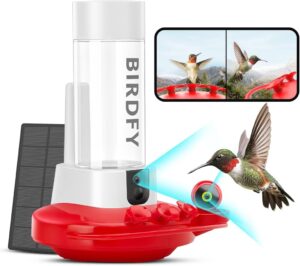
- Features: Dual 1080p HD cameras (front and bottom views), solar panel charging, Wi-Fi enabled, AI-powered bird recognition, two-way audio
- Why it’s great: This feeder not only captures incredible footage from two angles but also helps identify bird species in real time. The solar panel means less maintenance and more eco-friendliness.
2. Osoeri Smart Bird Feeder with Camera

- Features: 1080p HD camera, motion detection, night vision, IP65 weatherproof, app connectivity with real-time alerts
- Why it’s great: Designed for all-weather performance, this feeder offers excellent video quality and lets you track bird visits day or night. It’s sleek, reliable, and beginner-friendly.
3. Birdsnap® H53 Hummingbird Feeder with Camera
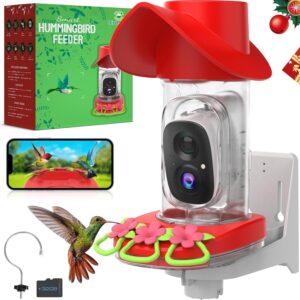
- Features: Compact design, 1080p HD camera, motion detection, rechargeable battery, USB-C charging, app integration
- Why it’s great: The birdsnap® H53 is ideal for smaller spaces and still packs great camera tech. It’s lightweight and easy to install, making it perfect for patios or balconies.
4. Smart Bird Feeder PRO

- Features: AI recognition, weatherproof housing, 2-liter nectar tank, night vision camera, automatic alerts
- Why it’s great: A solid all-rounder, this feeder offers generous nectar capacity, species tracking, and durable design. Great for serious bird lovers who want lots of smart features in one package.
How to Set Up Your Smart Hummingbird Feeder
Getting started is easy. Here’s what to do:
1. Choose the Right Spot
- Pick a spot with flowers or bright colors nearby
- Mount the feeder 4–6 feet off the ground
- Try to place it somewhere shaded to keep nectar cool
2. Mount the Feeder
- Follow the manufacturer’s instructions
- Make sure it’s secure—strong winds or animals shouldn’t knock it over
- Adjust the camera for the best view if your model includes one
3. Mix the Nectar
- Use 1 part white sugar to 4 parts water
- Boil the water and stir in the sugar until it dissolves
- Let it cool before filling the feeder
- Never use honey, artificial sweeteners, or food coloring
4. Connect to the App
- Download the app that goes with your feeder
- Connect via Wi-Fi or Bluetooth
- Customize notifications for refills, cleaning reminders, and bird visits
How to Maintain Your Feeder
Keeping your feeder clean is crucial. Dirty nectar can grow mold or bacteria that may harm hummingbirds.
Weekly Maintenance Checklist:
- Disassemble and wash all parts with warm, soapy water
- Use a small brush to reach tiny corners
- Rinse thoroughly and dry before refilling
- In hot weather, clean every 3–4 days
Monthly Maintenance Tips:
- Inspect for cracks or worn-out parts
- Replace broken parts to keep birds safe
- Check app data to see if nectar is lasting too long or being used too fast
Best Practices for Attracting Hummingbirds
Here’s how to bring even more hummingbirds to your yard:
1. Use Red Colors
Hummingbirds are drawn to red. Choose a feeder with red parts, or hang red ribbons nearby to get their attention.
2. Provide Fresh Nectar
Stick to the simple sugar-water recipe. Don’t use anything else, even if it claims to be better for birds.
3. Plant Native Flowers
Add plants like salvia, bee balm, trumpet vine, and fuchsia. Choose plants that bloom at different times of the year to give hummingbirds a food source all season long.
4. Add Water Features
Birds love water. A misting fountain or shallow birdbath can attract even more hummingbirds.
5. Offer Perches and Shelter
Place shrubs or small trees nearby for resting spots. Hummingbirds like to perch between feedings.
Bonus: Upgrade Your Backyard with Smart Tech
Want to go even further? Here are a few more smart tools that pair well with your feeder:
Smart Outdoor Lights
Lights help you enjoy bird watching in the early morning or late evening. Some smart lights can even be controlled by voice or schedule.
Smart Cameras
Place cameras nearby to monitor your entire garden. Many come with motion sensors and night vision.
Smart Irrigation Systems
These systems keep your plants healthy automatically. Healthy flowers attract more hummingbirds.
Together, these tools create a high-tech, bird-friendly paradise.
Final Thoughts: Should You Get a Smart Hummingbird Feeder?
If you love hummingbirds and want to enjoy them without all the work, the answer is yes!
Smart feeders save time, reduce maintenance, and give you a front-row seat to nature. They’re perfect for families, birdwatchers, or anyone who wants to enjoy wildlife in their backyard.
So go ahead—upgrade your bird watching setup today. Your backyard (and the hummingbirds) will thank you.
What’s Next?
- Choose a smart hummingbird feeder that fits your needs
- Set it up in a great spot with flowers and shade
- Keep it clean and full of fresh nectar
- Enjoy daily visits from your fluttering friends!
Have questions or want to share your hummingbird feeder tips? Drop a comment below!
Disclosure: This post has affiliate links, so I may earn a small commission (at no extra cost to you) if you shop through them. Thanks for your support!