Disclosure: This post has affiliate links, so I may earn a small commission (at no extra cost to you) if you shop through them. Thanks for your support!
Have you ever found yourself wondering whether a food warmer is just for keeping your meals toasty or if you can actually cook food in one? For many of you, the distinction might seem subtle, yet it can significantly affect your kitchen practices and meal preparations. Let’s take a closer look at food warmers, how they work, and the true nature of their capabilities.
Understanding Food Warmers
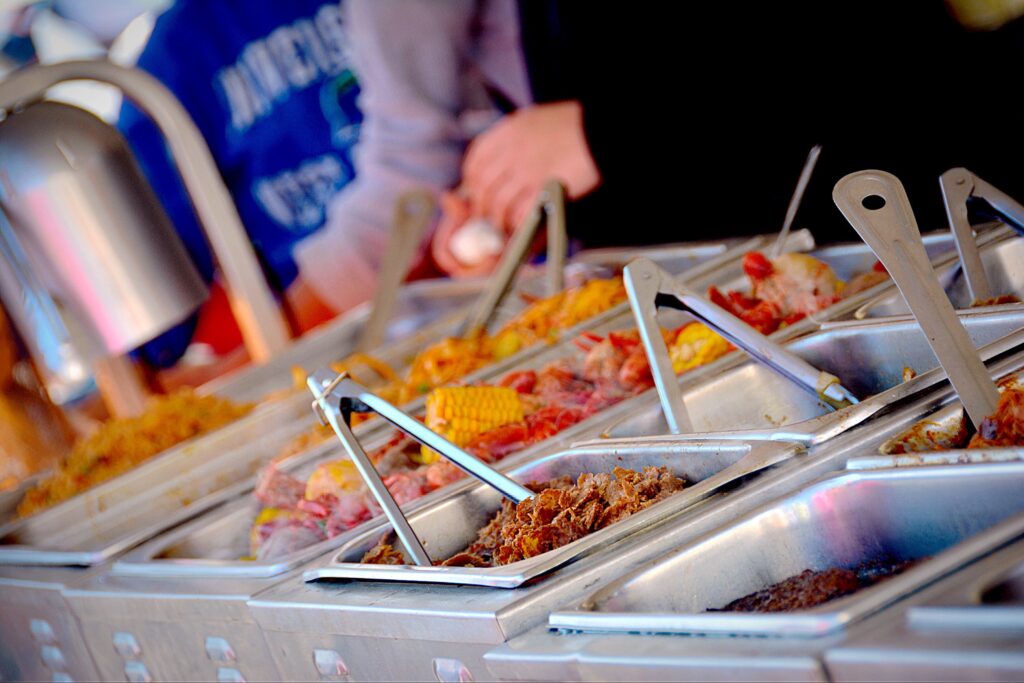
To begin with, it’s essential to understand what a food warmer is. A food warmer is primarily designed to keep prepared food at a safe serving temperature, preserving its quality and taste. Unlike cooking appliances that utilize high heat to prepare food, food warmers usually operate at lower temperatures.
How Food Warmers Work
Most food warmers function through different heating methods. Whether electric, gas, or water-bath style, their primary aim is to maintain warmth rather than cook food. Here’s a brief overview of common types of food warmers:
| Type | Description |
|---|---|
| Electric Warmers | Utilize electricity to generate heat and maintain a specific temperature. |
| Gas Warmers | Operate on gas and are often used in restaurants for buffet setups. |
| Water Bath | Foods placed in hot water, providing gentle heat and even warming. |
Understanding these distinctions will help you determine how best to use your food warmer.
The Cooking vs. Warming Debate
It’s clear that food warmers have a specific role, but that raises the question: Can you cook using a food warmer? While they maintain temperature, cooking requires a different heat application. Here’s a breakdown of the differences:
Cooking Food
Cooking involves applying high, direct heat to raw ingredients until they reach a safe internal temperature. This process often requires specific temperatures and cooking times to ensure food safety and desirable texture and flavors.
Keeping Food Warm
Keeping food warm in a warmer involves maintaining an already cooked temperature without further cooking the food. The key is that the food needs to be pre-cooked before being placed in the warmer.
The Benefits of Food Warmers
You might be curious about why food warmers are so popular, especially in catering and restaurant settings. Below are some reasons for their widespread use:
Temperature Control
Food warmers provide excellent temperature control, allowing you to serve food at the ideal conditions without overcooking.
Maintaining Quality
They help in retaining the moisture and flavor of food, preventing it from drying out.
Convenience
For those busy days or large gatherings, food warmers offer ease of use by allowing you to prepare meals ahead of time and simply keep them warm until serving.
When to Use a Food Warmer
Using a food warmer effectively requires understanding when it’s appropriate to do so. Here are some scenarios where food warmers shine:
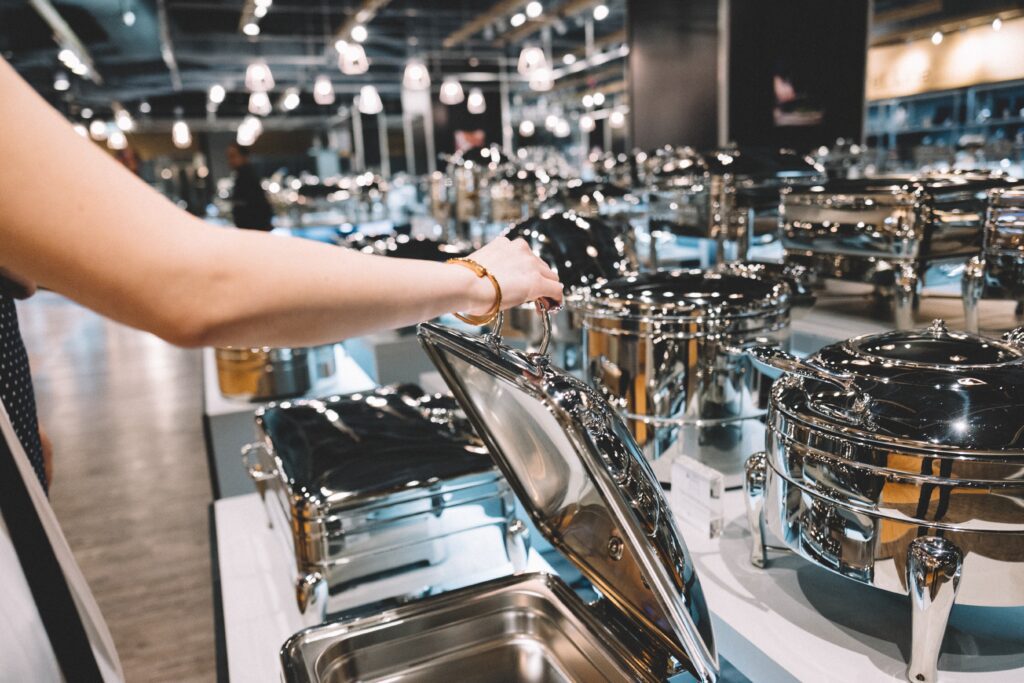
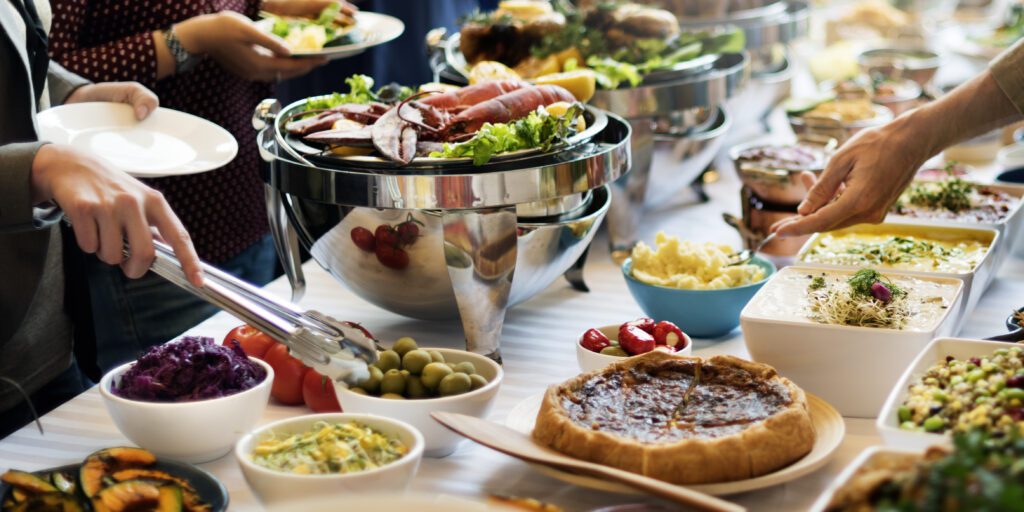
Buffet Settings
In situations where food is prepared in advance but needs to be served throughout events, food warmers keep dishes at optimal temperatures for enjoyment.
Catering Events
For caterers, transporting warm food can be challenging. Food warmers solve this problem by ensuring food remains appetizing and safe during transport and when served.
Parties and Gatherings
Planning parties can be hectic, and food warmers can help you keep everything in good condition while you attend to your guests.
Types of Food Suitable for Warmers
Certain types of dishes cater well to being kept warm in food warmers, while others may not do as well. Here’s a helpful guide for you:
| Type of Food | Can It Be Kept Warm? | Notes |
|---|---|---|
| Soups and Stews | Yes | Great for keeping warm; maintain heat with lids. |
| Casseroles | Yes | Keeps well; stir occasionally to maintain even temperature. |
| Rice and Grains | Yes | Keep covered to prevent dryness; add water if necessary. |
| Meats | Yes | Fragile; be cautious with temperature to avoid drying out. |
| Vegetables | Yes | Typically maintain quality; avoid long times to prevent mushiness. |
| Salads | No | Best served fresh to retain crunch; heat compromises quality. |
| Dairy Products | No | Can curdle or change texture; serve cold or at room temperature. |
This table illustrates which food types benefit from warmers and which don’t fare well.
Safety Considerations
Food safety is crucial, especially when dealing with food warmers. If you’re keeping food warm for extended periods, be mindful of the following:
Temperature Control
Ensure you maintain food at a safe temperature, ideally above 140°F (60°C). This prevents bacterial growth and keeps your dishes safe to consume.
Time Limits
Even warmers have their limits. Generally, keeping food warm for more than two hours can become risky. It’s good practice to check temperatures regularly.
Hygiene
Make sure that the food warmer is clean and sanitized before use. This is vital for preventing any cross-contamination or foodborne illnesses.
Common Misconceptions
Many people operate under common misconceptions when it comes to food warmers. Here are a few to clarify:
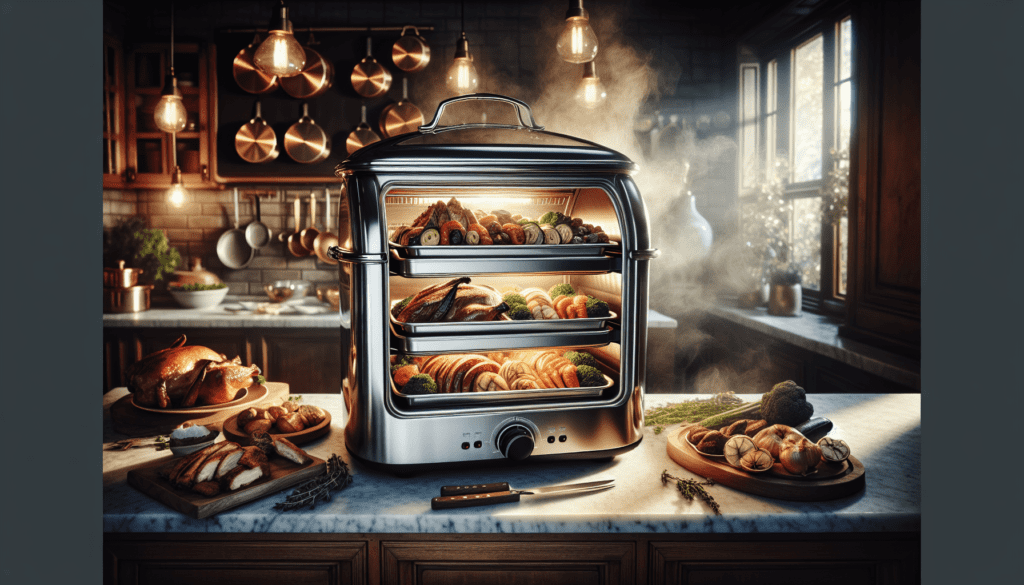
“Warmers Can Cook Food Just Like Ovens”
This is one of the biggest misunderstandings. While warmers can maintain the temperature of already-prepared dishes, they cannot accomplish the high heat needed for cooking raw ingredients.
“Food Warmers Can Double as Ovens”
Some might think that since both appliances use heat, they can be interchanged. However, it’s essential to know they serve different purposes. Ovens are for cooking, while warmers are for keeping food warm.
“All Foods Are Suitable for Warmers”
As previously mentioned, not every dish can benefit from being kept warm. This misconception can lead to dissatisfaction with the taste and texture of certain meals.
How to Use a Food Warmer
If you’ve decided to incorporate a food warmer into your kitchen setup, understanding how to use it correctly is vital for getting the most out of it. Here’s a step-by-step guide:
Step 1: Preheat The Warmer
Before placing food inside, it’s a good idea to preheat the food warmer. This helps maintain the initial heat of the food when you make the transfer.
Step 2: Prepare Your Food
Cook your meals as you normally would. Allow them to cool slightly before transferring to the warmer.
Step 3: Proper Placement
Place the dishes in the warmer, ensuring proper airflow and avoiding overcrowding. This helps maintain even temperatures.
Step 4: Monitoring
Keep an eye on the temperature. It’s good practice to have a thermometer on hand to check that food stays above the recommended temperature.
Step 5: Serve and Enjoy
Once food is maintained at the right temperature, serve it as needed. It’s that simple!
Alternatives to Food Warmers
If food warmers aren’t within your budget or you don’t want to invest in one, there are alternatives available for keeping food warm:
Slow Cooker
A slow cooker can keep food warm and is quite versatile for preparing and holding meals.
Oven at Low Heat
You can place your pre-cooked dishes in the oven set to low heat, usually around 200°F (93°C), to keep them warm.
Coolers
Surprisingly, insulated coolers can keep food warm for a while. Wrap your dishes tightly and place them in the cooler to maintain heat.
Conclusion
It’s clear that food warmers play a specific role in your culinary endeavors by ensuring your meals stay warm and delicious. While they cannot cook food in the way that ovens and stoves do, their utility cannot be overstated, especially for busy individuals and professionals.
Understanding how and when to use a food warmer effectively can make all the difference, whether you’re hosting a dinner party, running a restaurant, or simply want a convenient way to keep your family’s meals warm. Embrace this kitchen appliance to enhance your cooking experience—once you master it, you will find it an indispensable part of your culinary toolkit.
So, the next time you prepare a feast, remember that while a food warmer won’t cook food, it will certainly help it stay deliciously warm, ready to bring joy to the table. Happy cooking!
Disclosure: This post has affiliate links, so I may earn a small commission (at no extra cost to you) if you shop through them. Thanks for your support!